Source adhesive engine foot for Vehicles, Industrial, and Agricultural
Find 30 adhesive engine foot options from verified suppliers. Compare specifications including material, hardness, and temperature resistance for vehicles, industrial machinery, and agricultural equipment.
Key considerations
Products List
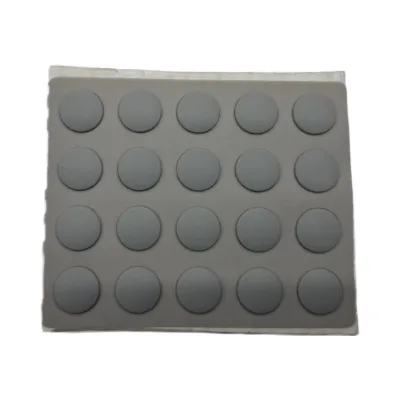
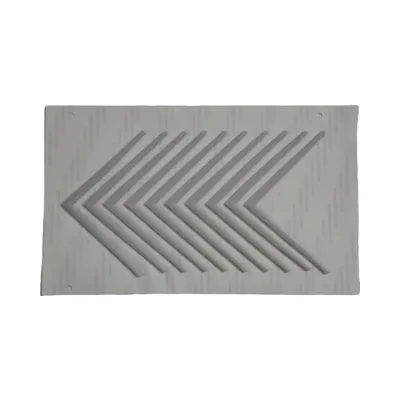


$168.00 - $170.00
Moq: 10


Comprehensive Sourcing Guide
Strategic Sourcing Guide for Adhesive Engine Foot Components
Understanding the Technical Landscape of Engine Mounting Systems
The core keyword "adhesive engine foot" refers to specialized vibration isolation and mounting components designed to secure engine assemblies while dampening operational noise and shock. In the context of the provided product data, these components often manifest as rubber-based structures, such as the "Industrial Rubber Slab" or "Round Buckle Antiskid Rubber Sheet" described in the specifications. The fundamental material composition is critical; the supplied facts indicate that "Natural Rubber" and "EPDM" are primary materials used in these applications. Natural rubber offers excellent elasticity and tear resistance, while EPDM provides superior resistance to ozone, weathering, and temperature extremes.
The physical performance of these adhesive engine feet is defined by specific operational parameters. The supplied data highlights a temperature tolerance range of "-60270" degrees, which suggests that high-performance variants are engineered to withstand extreme thermal cycling without degrading. Furthermore, hardness is a pivotal metric, with observed ranges of "5090" on the Shore A scale. This variability allows procurement teams to select components that balance rigidity for load-bearing with flexibility for vibration absorption. The shape of these components is not limited to standard geometries; the data confirms availability in "Round / Square / or Customized" forms, with "Tailored" options also listed. This customization capability is essential for fitting specific engine bay architectures where space is constrained.
The structural integrity of these feet often relies on a composite design. The "Medium: Metal Frame Layer Rubber Sheet" attribute indicates a hybrid construction where a metal frame provides the mounting interface, while the rubber layer delivers the damping function. This combination is vital for transferring torque while isolating high-frequency vibrations. Additionally, the "Spring Type: Air Spring" and "Hydraulic" attributes found in the data suggest that modern engine mounting systems may integrate pneumatic or fluid-damping technologies alongside the adhesive rubber elements to achieve variable stiffness based on engine load and speed.
Compliance, Certification, and Material Safety Standards
When sourcing adhesive engine feet, verifying compliance with international safety and environmental standards is non-negotiable. The supplied product facts explicitly list a robust set of "Product Test" requirements, including "RoHS/Reach/Pops/PAHs/Tsca" and "RoHS/Reach/FDA." These standards ensure that the rubber compounds and adhesives used do not contain restricted hazardous substances, which is particularly important for components used in vehicles, medical devices, and consumer electronics.
RoHS (Restriction of Hazardous Substances) compliance is a baseline requirement for electronic and automotive applications within many global markets. Reach (Registration, Evaluation, Authorisation and Restriction of Chemicals) is equally critical for European markets, governing the use of chemicals in industrial products. The inclusion of "FDA" in the test list implies that some variants of these rubber components may be suitable for applications requiring food-grade safety, such as in agricultural machinery or specific medical equipment, although the primary focus for engine feet is typically automotive or industrial.
Certification bodies play a significant role in validating these claims. The data references "ISO / SGS" certifications, indicating that suppliers should possess recognized quality management system certifications and third-party verification. ISO standards ensure consistent manufacturing processes, while SGS provides independent testing and inspection services. Buyers must verify that the specific batch of adhesive engine feet carries valid certificates corresponding to the current regulatory environment of the destination market. The "Product Test" list also mentions "Pops" and "PAHs," which refer to specific chemical restrictions often found in automotive supply chains to prevent environmental contamination and ensure worker safety.
Furthermore, the "Traceability" attribute, described as a "V Code Indicating Batch No.," is a crucial compliance feature. This system allows for the tracking of raw materials and production batches, ensuring that if a quality issue arises, the specific lot can be isolated and addressed. This level of traceability is often mandated by automotive OEMs and is a strong indicator of a supplier's commitment to quality control and regulatory adherence.
Cost Drivers and Economic Factors in Procurement
The pricing of adhesive engine feet is influenced by a complex interplay of material costs, customization requirements, and production volumes. The observed listed price range in the market data spans from "0.01-600" USD, reflecting the vast difference between simple rubber gaskets and complex, multi-material hydraulic mounts. The "Selling Units" attribute, noted as "Multiple of 20,000" or "Multiple of 5,000," suggests that the unit price is highly dependent on order volume. Buyers purchasing in smaller quantities will likely face a higher per-unit cost compared to those securing bulk orders that align with the supplier's production batch sizes.
Material composition is a primary cost driver. The transition from standard "Natural Rubber" to specialized compounds like "EPDM" or "Personalized Development on Performances Request" formulas will increase the base material cost. The "Customization: Available" attribute further impacts pricing; tailored shapes, specific hardness levels, or unique adhesive formulations require additional engineering and setup time, which is reflected in the final price. The "Processing Service: Moulding" indicates that the manufacturing process involves injection or compression molding, which has associated tooling costs. For custom orders, these tooling costs may be amortized over the production run, significantly affecting the total cost of ownership.
Logistics and packaging also contribute to the overall cost structure. The "prod_packing" specification of "in Plastic Bags and Cartons or as Per Your Request" implies that packaging can be customized, which may add to the expense. Additionally, the "Gross weight per batch" varies, with figures like "11.960 kg" and "10.230 kg" noted. Heavier batches incur higher shipping costs, particularly for international procurement. The "Place of Origin: Taiwan, China" and "prod_origin: China" indicate that sourcing from this region may offer competitive labor and material costs, but buyers must factor in potential tariffs, shipping lead times, and currency exchange fluctuations.
The "Lead Time" of "About 7-15 days" is a critical economic factor. Shorter lead times allow for leaner inventory management but may come at a premium for expedited production. Conversely, longer lead times might be associated with lower unit costs due to more efficient production scheduling. Buyers must balance the cost of inventory holding against the risk of stockouts when negotiating these terms.
Typical Applications and Industry Use Cases
Adhesive engine feet serve a diverse range of industries, as evidenced by the "Usage" attributes listed in the product data. The primary application is in the "Industrial" sector, where these components function as "Industrial Rubber Slab" or "Bumper/Buffer" elements to protect machinery and structures from vibration damage. In the "Vehicle" sector, the data explicitly mentions "Car Make: Volkswagen" and "Spring Type: Air Spring," indicating their use in automotive suspension and engine mounting systems. The "Position: Front" attribute suggests specific mounting locations within the vehicle chassis.
Beyond automotive and general industrial uses, the data highlights applications in "Household," "Electronic," "Medical," and "Agricultural" sectors. In household appliances, these feet reduce noise and vibration from motors. In electronic equipment, they protect sensitive components from mechanical shock. The "Medical" application is particularly notable, given the "FDA" test requirement, suggesting that these components may be used in medical devices where vibration isolation is critical for precision and patient safety. In agriculture, they protect tractors and harvesters from the harsh vibrations of field operations.
The "Feature" list, including "Corrosion-resistant," "Wear-resistant," "Heat-resistant," "Cold-resistant," "Insulating," and "Impact-resistant," underscores the versatility of these components. These features are essential for engines operating in extreme environments, such as heavy-duty trucks in cold climates or industrial pumps in corrosive chemical plants. The "High Damping Rubber" patent mentioned in the data points to advanced applications where noise reduction is a primary design goal, such as in luxury vehicles or high-precision manufacturing equipment.
Supplier Evaluation and Qualification Criteria
Selecting the right supplier for adhesive engine feet requires a rigorous evaluation process based on the capabilities and certifications observed in the market data. A primary criterion is the supplier's ability to offer "OEM Optimization / ODM" services. This indicates that the supplier can not only manufacture to existing designs but also collaborate on optimizing the product for specific performance requirements. The "Rubber Formula: Personalized Development on Performances Request" attribute further confirms that suppliers should have the R&D capacity to develop custom compounds tailored to the buyer's specific needs.
Quality control processes are another vital evaluation point. The "in-Plant Inspection" attributes, including "Fai" (First Article Inspection), "Type Approval Test," "Ipqc" (In-Process Quality Control), and "Oqc" (Outgoing Quality Control), demonstrate a comprehensive quality management system. Buyers should verify that the supplier consistently implements these checks to ensure that every batch meets the specified standards. The presence of "Patents" such as "Rubber Seal Processing Equipment Invention" and "High Damping Rubber" suggests that the supplier has invested in proprietary technology, which can be a differentiator in terms of product performance and reliability.
Geographic location and logistics capabilities are also important. The "Place of Origin: Taiwan, China" and "prod_origin: China" indicate that suppliers are located in major manufacturing hubs. Buyers should assess the supplier's logistics network to ensure they can meet the "Lead Time: About 7-15 days" requirement reliably. The "Traceability" system using a "V Code" is a strong indicator of a mature supply chain, allowing for precise tracking of materials and production batches.
Finally, the supplier's certification status, specifically "ISO / SGS," should be verified. These certifications are not just badges but evidence of adherence to international quality and safety standards. Buyers should request current certification documents and ensure they cover the specific product lines being sourced. The ability to provide "Customized" shapes and "Tailored" solutions is also a key differentiator, as it shows the supplier's flexibility and commitment to meeting unique buyer requirements.
Quality Control Protocols and Long-Term Procurement Strategy
Maintaining high quality in adhesive engine foot procurement requires a robust quality control protocol that extends beyond the initial purchase. The "Product Test" standards, including "RoHS/Reach/FDA" and "RoHS/Reach/Pops/PAHs/Tsca," must be validated for every shipment. Buyers should insist on third-party test reports from accredited laboratories to confirm that the materials meet these rigorous standards. The "Hardness: 5090" and "Temperature: -60270" ranges should be verified through physical testing to ensure the components perform as expected under actual operating conditions.
Long-term procurement strategies should focus on building a partnership with suppliers who offer "Customization: Available" and "OEM Optimization / ODM" capabilities. This approach allows for continuous improvement of the product design, adapting to new engine technologies and changing regulatory landscapes. The "Traceability" feature, with its "V Code Indicating Batch No.," should be leveraged to monitor product performance over time. If a specific batch shows signs of premature wear or failure, the traceability system allows for a targeted recall or investigation, minimizing risk.
The "Lead Time: About 7-15 days" should be integrated into the buyer's inventory planning. A reliable lead time allows for a just-in-time inventory model, reducing holding costs while ensuring supply continuity. However, buyers should also consider the "Selling Units" constraints, such as "Multiple of 20,000" or "Multiple of 5,000," when planning production schedules. Aligning order quantities with these multiples can optimize costs and production efficiency.
Finally, the "Structure: OEM Optimization / ODM" and "Patents" indicate that the supplier is a technology leader. Buyers should engage with these suppliers to stay informed about new developments in rubber technology, such as advanced damping compounds or improved adhesive formulations. This proactive engagement ensures that the procurement strategy remains competitive and that the final products continue to meet the highest standards of performance and safety. By combining rigorous quality control with a strategic partnership approach, buyers can secure a reliable supply of high-quality adhesive engine feet that meet their specific operational needs.
FAQs
What materials are used for adhesive engine feet?
Natural Rubber and EPDM are the primary materials used for these components. These materials provide excellent elasticity, tear resistance, and superior resistance to ozone and weathering for industrial and vehicle applications.
Which certifications do adhesive engine feet typically hold?
Products often carry ISO and SGS certifications to validate quality management. They also undergo product testing for RoHS, Reach, FDA, and PAHs to ensure compliance with international safety and environmental standards.
Can I customize the shape and hardness of these feet?
Yes, customization is available for shape, hardness, and rubber formulas. Buyers can request tailored Round or Square shapes with hardness ranging from 50 to 90 Shore A to fit specific engine bay architectures.
How long is the lead time for production?
The standard lead time is about 7 to 15 days for most orders. This duration applies to standard batches, though customized requests may require additional time for formula development and tooling setup.
What is the temperature tolerance range for these rubber parts?
The components are engineered to withstand temperatures between -60 and 270 degrees. This wide range ensures performance stability in extreme thermal cycling conditions for automotive and industrial environments.
How are the products packaged for shipment?
Items are typically packed in plastic bags and cartons for protection. Customized packaging requests are also available to meet specific logistics requirements or to reduce environmental impact during transport.
What is the minimum order quantity for these components?
Selling units are often multiples of 5,000 or 20,000 depending on the model. The observed MOQ range spans from 1 to 100,000, allowing flexibility for both small and large procurement needs.